PCTG - The Filament Nobody Talks About (But Probably Should)

For the longest time, I thought I had a pretty good handle on the world of 3D-printing filaments. Like most people in the hobby, my journey started with PLA, moved into PETG, and then branched out into things like PLA+, PETG-HF, ASA, and some of the carbon-fiber blends. After printing for a while and going through quite a few spools, you start to feel like you’ve seen most of what’s out there.
But recently I ran into something I had honestly never paid attention to before: PCTG.
Until about a week ago, I didn’t even know it existed.
That might surprise some people, but I suspect I’m not alone. PCTG isn’t talked about nearly as much as PLA, PETG, or ASA. It’s almost like the “quiet cousin” of PETG that sits in the corner while everyone else gets the attention. But after printing with it, I’m starting to wonder why it isn’t more popular.
The first spool I tried was from 3D Fuel. Right away I noticed a few things that were different from the PETG I normally use.
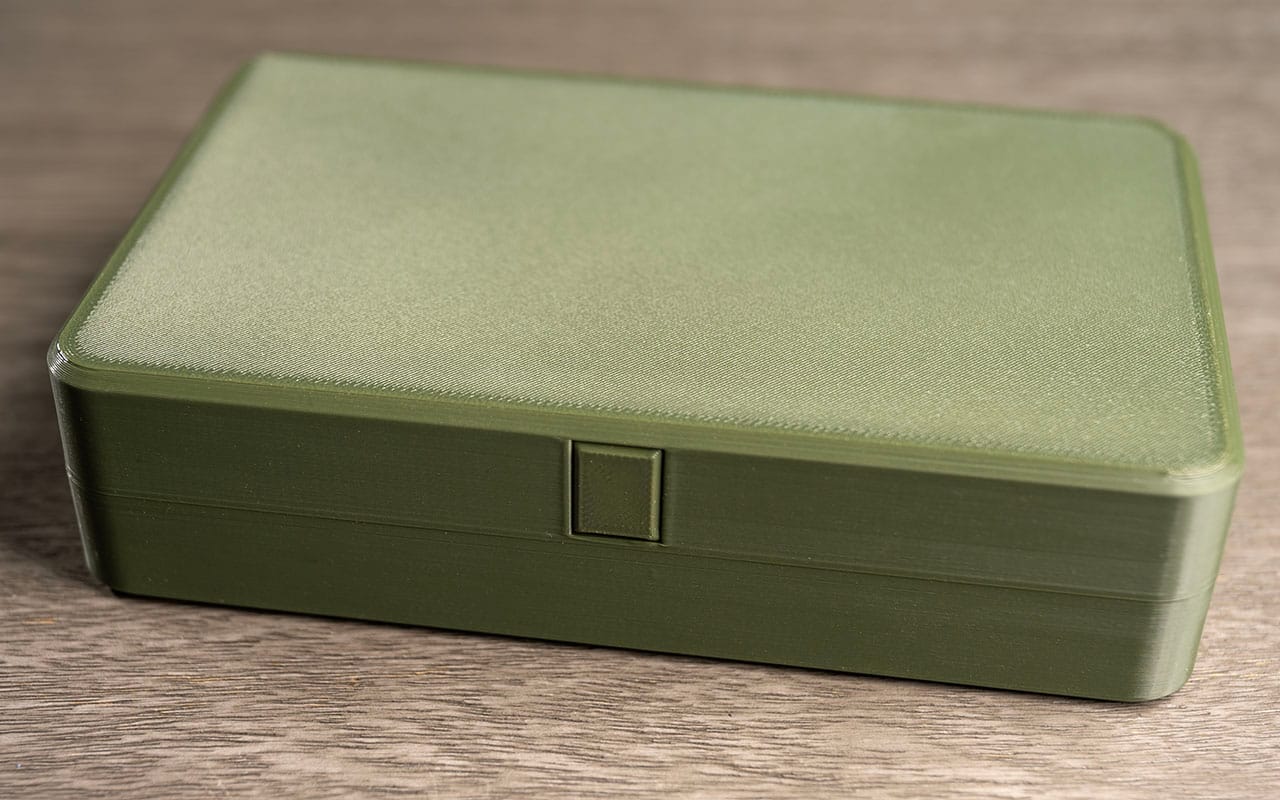
The first was the surface finish. The prints had a slightly smoother, glossier look than most PETG prints I’ve done. Not shiny like polished plastic, but closer to the appearance of injection-molded parts. Flat surfaces came out extremely clean and uniform.
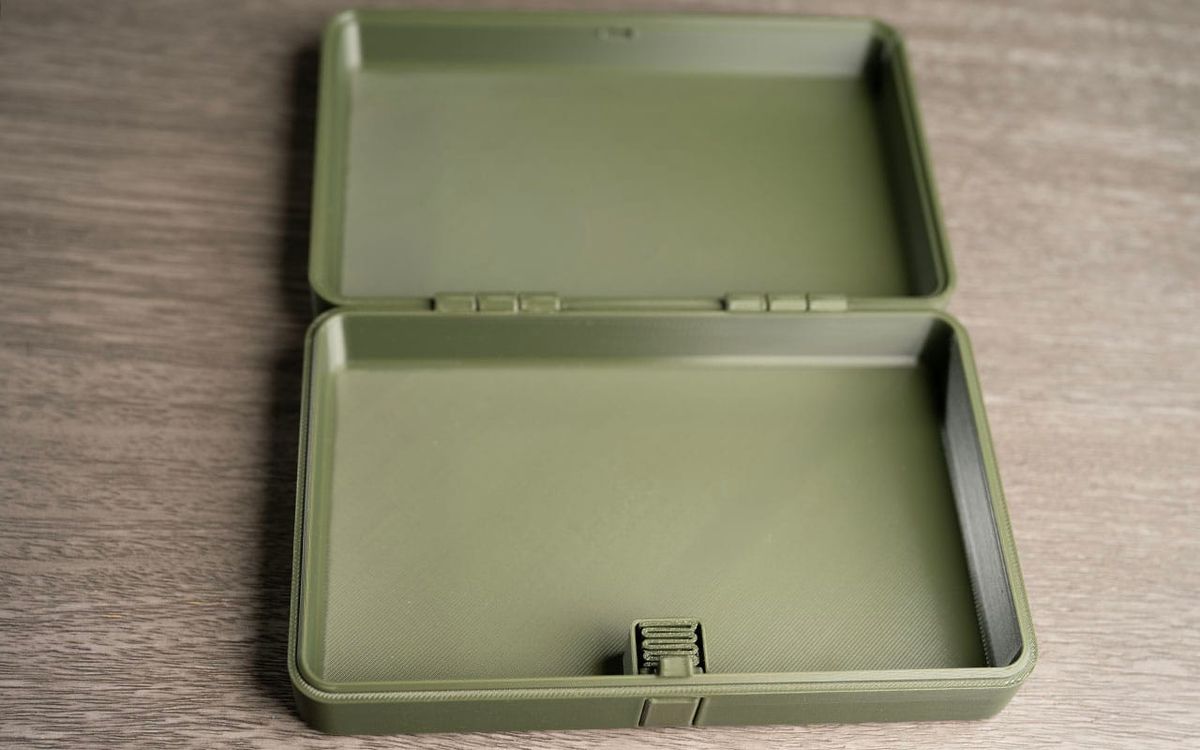
The second thing I noticed was bridging. I printed a hinged storage box that includes a bridge above the latch button. Normally that area will sag slightly with PETG, but the PCTG handled it better than any PETG I’ve used. The strands stayed tighter and the bridge lines looked cleaner.
The third thing that stood out was how the mechanical parts behaved. The box has a printed hinge and a small spring latch. The hinge moved freely the moment the print finished—no snapping it loose, no forcing anything. Even more interesting, the little printed spring felt noticeably more elastic than the same design printed in PETG. It returned to shape more cleanly and had a snappier feel.
From what I’ve learned so far, PCTG is part of the same general family of plastics as PETG—both are copolyesters—but PCTG is engineered for higher impact resistance and better toughness. In practical terms, that means parts tend to be less brittle and more resistant to cracking under stress.
For functional prints like boxes, clips, enclosures, or anything with hinges or snap-fit parts, that’s a pretty big advantage.
Another nice surprise was bed adhesion and removal. PETG can sometimes bond very aggressively to PEI build plates. Anyone who has printed PETG long enough has probably had that moment where you worry the print is going to take the build plate with it. PCTG, at least in my experience so far, sticks well during the print but releases cleanly once the plate cools.
One thing that also impressed me was how easy it was to get started. 3D Fuel actually provides a very solid starter filament profile and process profile, which takes a lot of the guesswork out of printing with a material you may not have used before. Instead of spending hours experimenting with temperatures, speeds, and cooling, I was able to start with their recommended profiles and get excellent results right away. For anyone trying a new filament type for the first time, having a well-tuned starting point like that makes a big difference.
Printing temperatures are similar to PETG but usually run slightly hotter. Most manufacturers recommend something in the range of about 250–265°C for the nozzle and roughly 70–80°C for the bed. An enclosed printer tends to produce the best results, although it can still be printed on open-frame machines with a bit of tuning.
Of course, there is one downside: cost.
The spool I purchased runs around $36 per kilogram, which is definitely higher than typical PLA or PETG. For everyday prints or prototypes, that’s probably more expensive than necessary. But for parts where strength, durability, or appearance really matter, it may be worth the extra cost.
After just a few prints, I’m already starting to think of PCTG as a “premium PETG.” It prints similarly, but with a little better toughness, slightly nicer surface finish, and cleaner results in certain situations like bridging and flexible features.
The bigger question I’m left with is this: why don’t more people talk about it?
Maybe it’s the price. Maybe it’s just not widely marketed. Or maybe it’s simply overshadowed by the popularity of PETG.
Print Details
Printer: Bambu Lab H2D
Material: 3D Fuel PCTG
Layer height: 0.2 mm
Nozzle temperature: ~255°C
Bed temperature: ~75°C